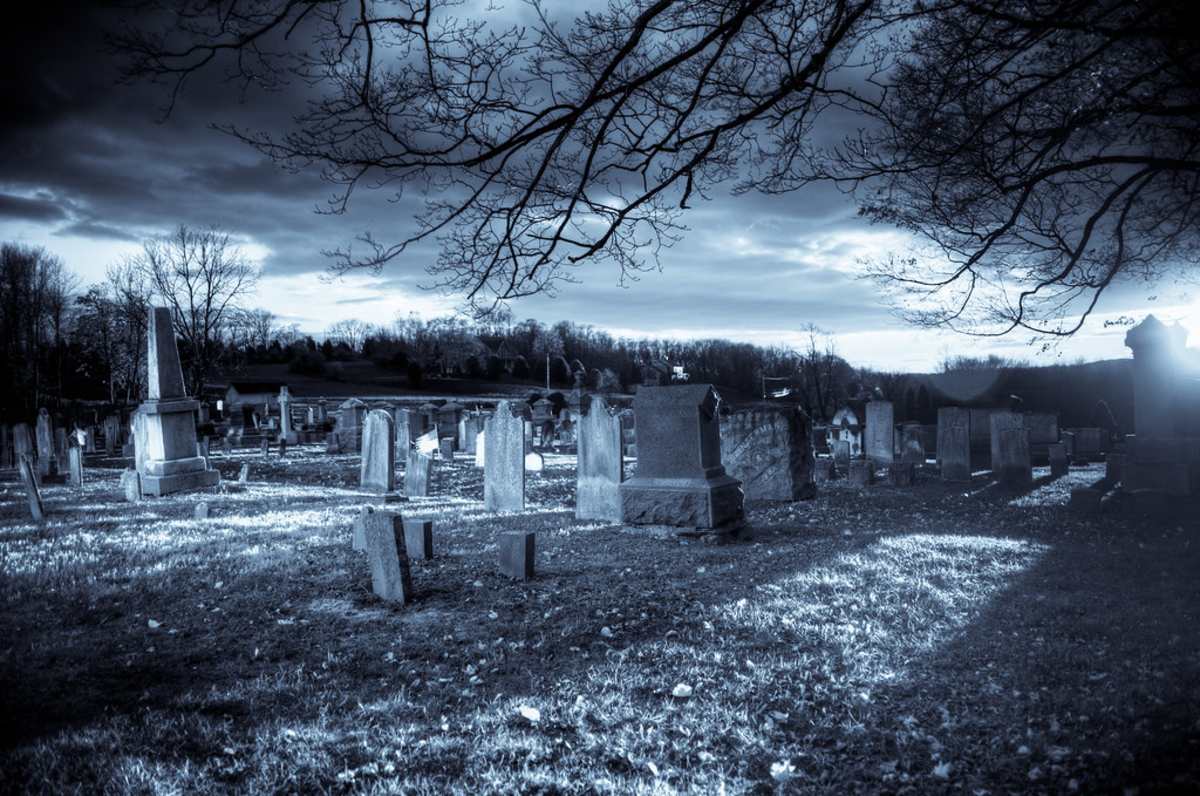
So, death. That's a fun topic! (/sarcasm) Interestingly, there's a reason we have such a large culture surrounding our dead in the West (and historically, worshipping our ancestors). In writing, dead characters aren't always truly 'dead' when they can still interact with the environment, their family, or maybe they haunt the location of their death as a ghost. Ghosts, spirits—there's a reason these types of beings are common in our popular culture as 'manifestations of the dead'. If you're writing in the paranormal or fantasy genre, you can effectively do whatever you want by using dead characters in an interesting sense. Even if you're writing outside of these genres and you want a more grounded view of death, you can always put in a short flashback with said character if it's prudent (flashbacks are another topic altogether, but I digress).
The motive for death is beyond just simple 'oh they died' generally, unless the substance is necessary for the backstory. Typically you have to have a backstory reason as a writer why someone in a character's past might've died, but you can always leave it as a mystery to the reader. As for on-page (on-screen?) deaths, I like to classify them in different ways.
The first way is 'old age' or disease. Truthfully, nobody dies of old age, but as we get older, our chances of death increase. The reasons being declining health, age-related diseases, or even different sicknesses that are otherwise common to society would be the final blow to someone in a generally indecent condition. Dementia eats at the brain, cardiac arrest subdues the heart, osteoporosis withers the bones, and these are all things that rarely come until you're older. Of course, age isn't always a requirement for it to be a disease or condition-related death. In the real world, young people can die if they have pre-existing conditions. If they get something as simple as influenza, it could kill them. Pandemics and diseases have followed mankind around since its inception, and they will never go away.
The second way is unexpected deaths. Someone I played online D&D with (who I hadn't spoken to in a few months) underwent surgery, and they died unexpectedly because of complications from it. They were 26. Now, while a real-example of an unexpected death, a more common one might be automobile accidents, getting lost in the wilderness on vacation, or the like. The most common types of unexpected deaths are just that: unexpected. They manifest in everyday life from tasks we otherwise don't think about, yet we know that there's a risk involved; there's danger. Because anyone can get unlucky, it's not 'lazy writing' to have unexpected deaths because of the story. This element is just as real as life.
The third way isn't as common as the other two, but is the most common in my writing. Fight/battle induced deaths, or 'action-related' deaths. This ranges from getting murdered to having a samurai-type last stand against an army. These types of deaths are often the most interesting because they have that initial buildup, the action of the fight, the climax (the 'strike' or 'shot' that is fatal), and the short time after they get struck to live (if they get a chance). Generally though, they do! And they can give the other characters emotional distress and ultimate wishes. These types of deaths are also the most common in thriller-type TV shows and movies, especially in the horror genre.
Now, these are my pillars of death and what might cause them, but from a simplified view. Nothing is ever black-and-white like this or so simple. That brings me back to my original point: are deaths necessary to the story?
And my honest answer is still: it depends on the story you wrote. If you're writing a comedy or contemporary, they rarely use death to give the story stakes. If you're writing dark fantasy like I am, where the stakes are within the thriller itself, then death becomes far more meaningful; especially if your characters are symbolic and stand for something. Plus, it's not like you'd be the only person using death in a story; look at some of the greatest writers of all time. Each of them used death as a stake in their grand epic, so why should we be so terrified of it in fiction? It makes an interesting story.
The last point I'll bring up in this blog post is the threat of death, the 'suspense' element. Sometimes, if you allude to a death (even if it never happens), it can make your reader cry. These have to be well-crafted, of course, and sometimes just the thought isn't scary enough. What if they have a dream that shows them dying—or worse, someone they care about? Maybe they use an orb that is clairvoyant and acts as a fortune-teller. Essentially, this type of seen threat or implied detail can be more powerful than actually killing a character since the suspense remains in question that they may die. Your reader never really knows; only you do. Can the story survive without this character? If so, what purpose would their death serve?
Thanks for tuning in! As an update: I've uploaded my manuscripts to Draft2Digital and IngramSpark. By next week, I should have Arc Readers, Goodreads, and everything else in the works. If you enjoy this content, why not subscribe to the newsletter? I post every Friday and hope to have an explosive entrance with my debut novel. Know someone else who might like this type of content?
Until we meet again,
don't die.
Dustin